Product Overview
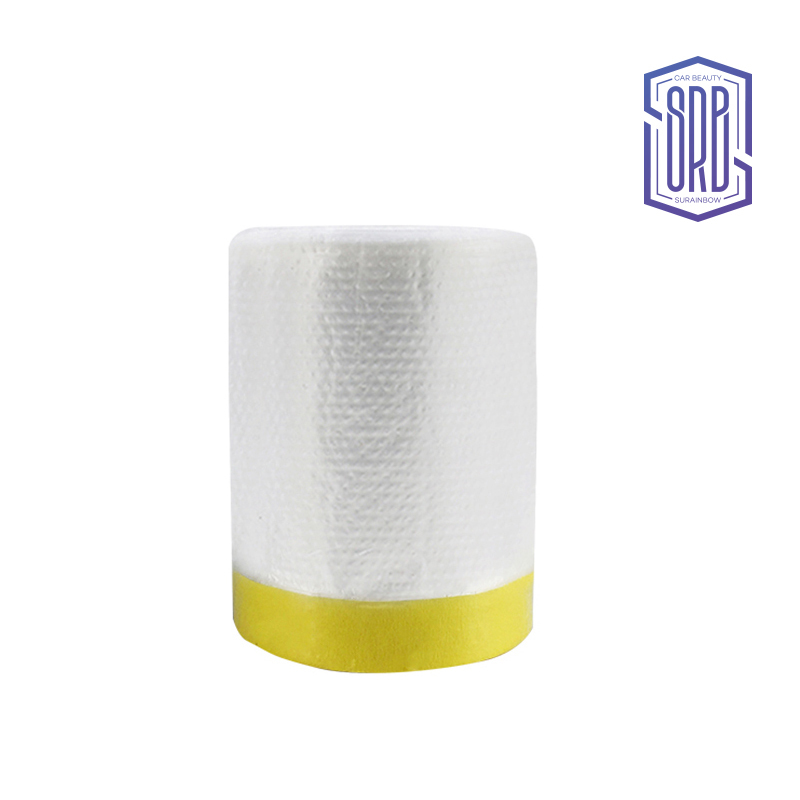
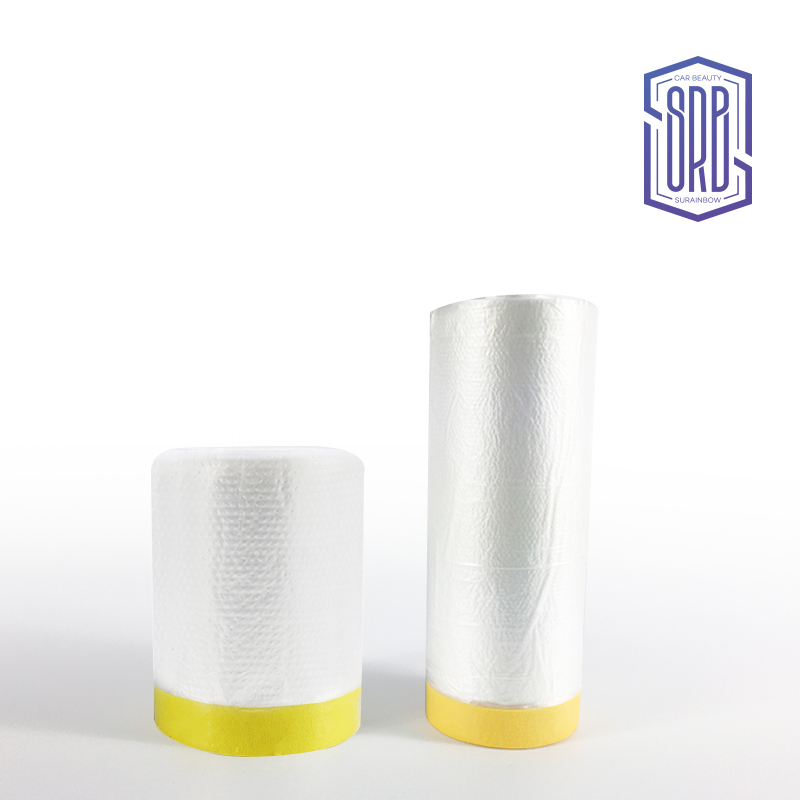
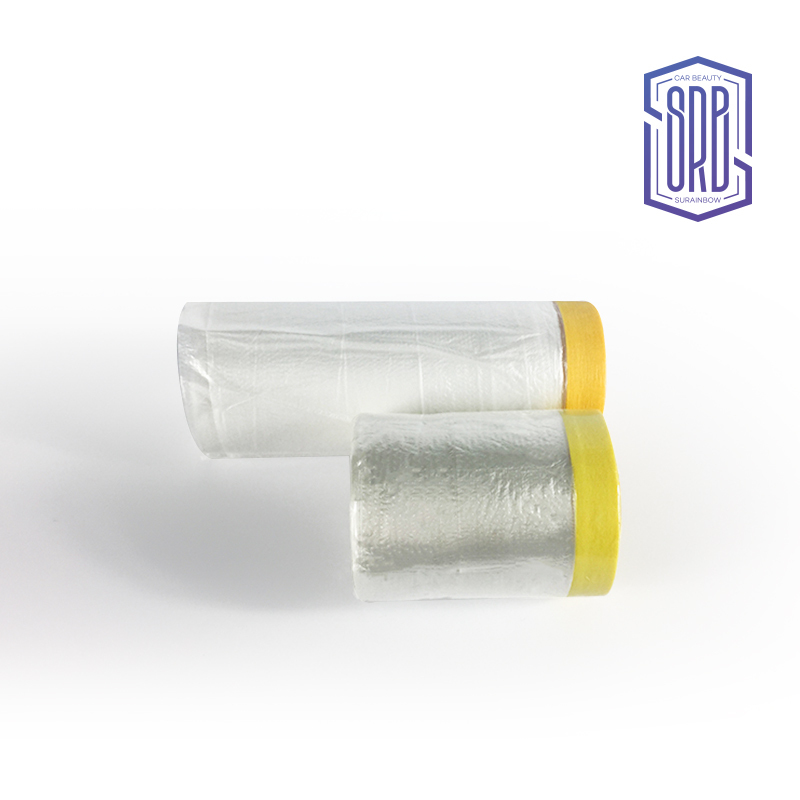
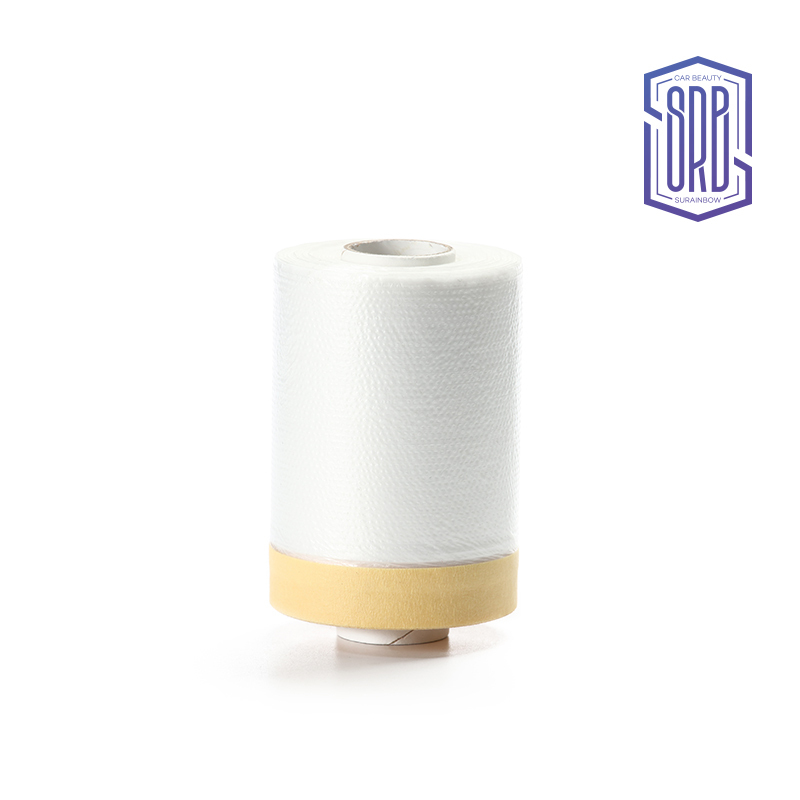
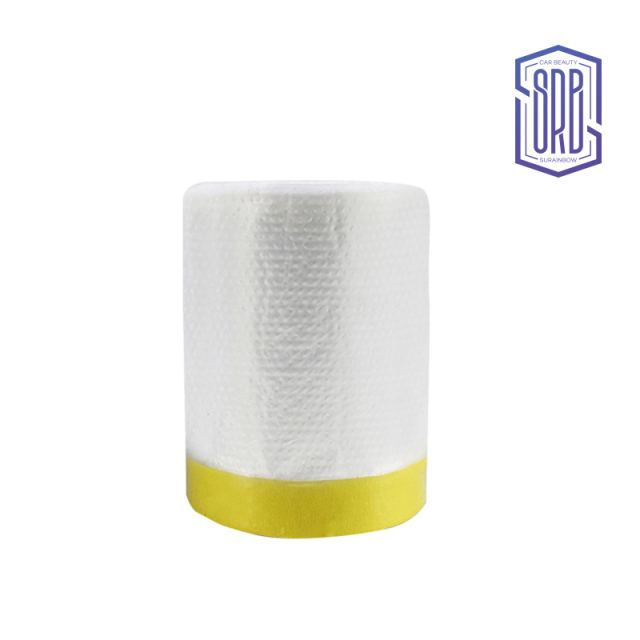
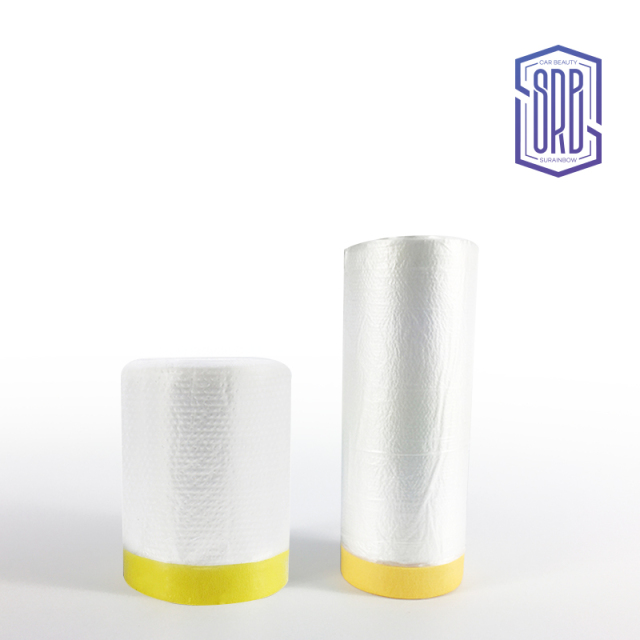
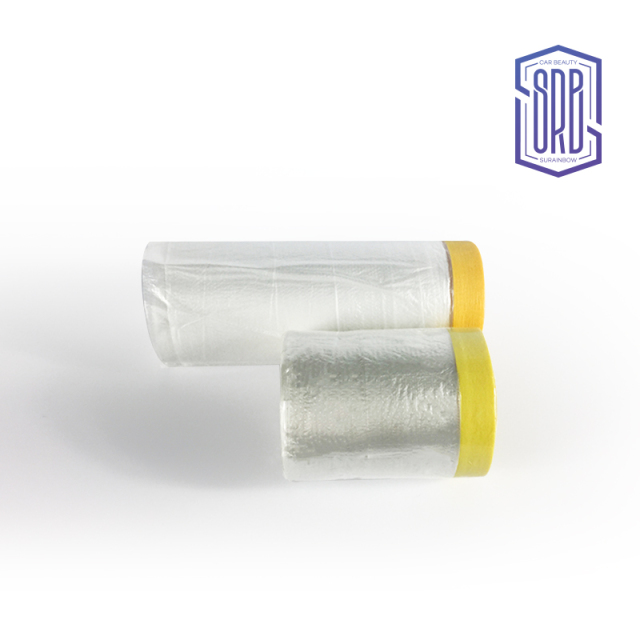
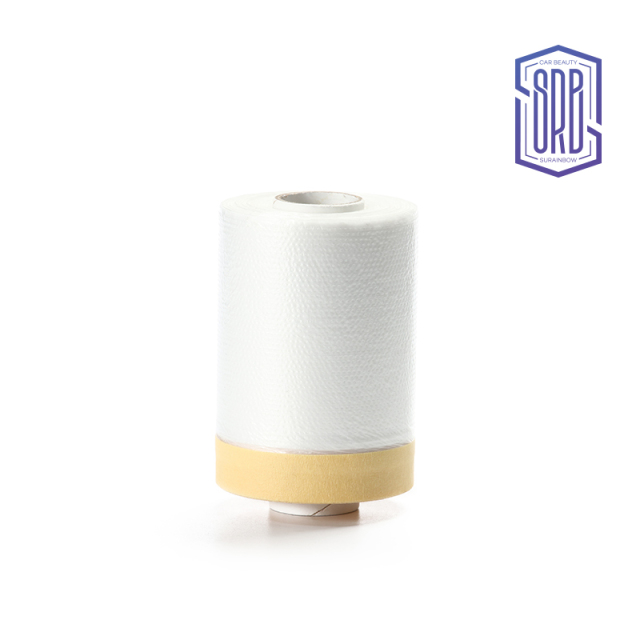
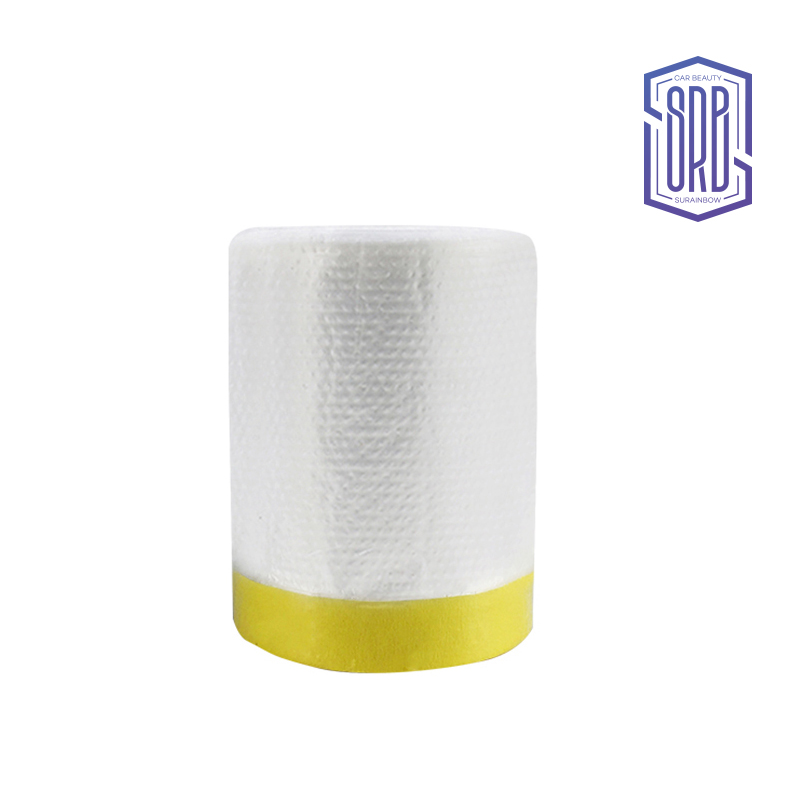
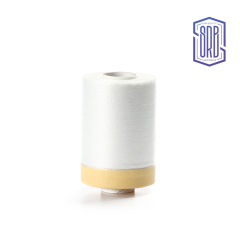
P55 shielding film is a white protective film made from polyethylene and PO material, cut into individual pieces and supplied in boxes. A technician lays a piece over paint, glass, rubber trim or a lamp so that work on the panel next door lands on the film instead of on a finished surface. It covers the whole preparation stage of a detail: the machine cutting a panel, a coating being levelled along a shut line, and a gun being opened in the booth. In each case the film takes what would otherwise have to be polished off or wiped away afterwards. That matters less for the film itself than for the buyer sourcing wholesale car shielding film, who would rather place one order than four.
Key Features
- Light in the hand — a piece can be carried up a step ladder and pressed onto a vertical panel without sagging away from the edge, so masking stays on the car instead of on the floor.
- PO and polyethylene — a flexible automotive shielding film that follows a curve, folds into a shut line and comes away in one piece when the job is finished.
- White and slightly translucent — panel gaps, trim edges and shut lines stay visible through the film, which makes masking up to a line much quicker than working blind.
- No fibres on the panel — this is a plastic masking film for cars rather than a paper mask, so it does not shed onto a surface that is about to be coated.
- Trims with a blade or scissors — pieces can be cut down to a mirror cap, a badge or a wheel arch rather than folded awkwardly around it.
Surfaces & Jobs
- Polishing and compounding — cover glass, badges, rubber seals and the gaps on either side of the section being cut, so sling from the pad lands on film instead of on fresh paint.
- Coating and protection work — mask shut lines and panel edges where a coating would otherwise pool and dry into a hard line.
- Spray booth — a PO protective film car refinishers keep in the bay, laid over glass, lamps and shut lines before primer or colour goes on.
- Wheel and arch work — cover the arch lip and the rim face before tyre dressing or a wheel coating goes on, then strip the film before the tyre is wiped down.
- Badges, grilles and mirror caps — a small piece pressed around a badge keeps polish out of the lettering and saves reaching for a brush.
- Multi-panel corrections — an automotive shielding film for the panels either side of the work, so a full side can be masked in one pass and stripped in one pass.
Masking Workflow
- Plan the coverage before anything is opened — walk the car and note where the machine, the compound or the spray will reach, then mask one step past that line. A PO protective film car refinishers reach for earns its place at the edges of the work, not only in the middle of it.
- Start on a clean, dry panel. Dust trapped under a piece turns into a fine abrasive once the film is pressed down, and that shows up later as a dull patch.
- Cut the piece to the panel with scissors or a blade, and leave a fold-over tab at one corner so the film can be lifted without a fingertip touching finished paint.
- Press the edges into the gaps — run a thumb, or a strip of tape, along a shut line so polish and rinse water cannot push underneath.
- Overlap the pieces for spray work. The same film is used as a paint spray masking film in the booth, and each piece should overlap the next so mist cannot creep between two sheets.
- Mask the top of the car first and work downward. Compound and rinse water both run down, and a panel that is already covered will catch what comes off the roof.
- Do one last walk-round before the machine starts. A lifted corner found in ten seconds is a panel saved.
Specifications
| Product name | P55 shielding film |
| Model | T-651 |
| Material | Polyethylene and PO material |
| Colour | White |
| Product type | Plastic masking film for cars |
| Item size | 10 x 10 x 2.5 cm |
| Unit weight | 0.12 kg (heavier grade of the same film: 0.24 kg) |
| Pieces per box | 100 |
| Box size | 34 x 34 x 39 cm |
| Box gross weight | 14.360 kg |
| Shelf life | 3 years |
| Place of origin | Guangdong, China |
| Brand | SURAINBOW |
Storage & Handling
Storage — a paint spray masking film is happiest in a closed box, off a concrete floor, in a dry store away from direct sun, heaters and solvent drums. Heat or solvent vapour is what stops a film lying flat on a panel.
Rotation — the film carries a stated shelf life, so use the oldest box first and write the receipt date on the carton. In a store holding several boxes, that single habit keeps stock moving without anyone counting months.
Clean pieces only — a sheet that has picked up compound, grit or thinner goes in the bin. Pressing a contaminated piece back onto paint turns a masking operation into a polishing operation.
Goods-in check — before a big wholesale car shielding film order, open the carton and look at the piece count, moisture marks and whether the film has taken a set. Ten seconds at goods-in is cheaper than discovering it on a Friday afternoon.
Removal — lift each piece slowly and straight off the panel, keeping the free edge turned away from the paint so the corner does not flick compound across a finished surface.
Ordering & Delivery
- Send the brief — panel sizes, how many cars a week, the destination market and whether the box carries SURAINBOW or your own artwork. A car masking film manufacturer can only plan the run properly from that detail, so put it in the first message.
- Sample and approval. Ask your sales contact about sample availability, then test the automotive shielding film on the panels your team actually masks. Record what you approved — grade, piece size and piece count — so the bulk box can be compared against it.
- Artwork and packaging proof. For own-label orders we work as an OEM paint masking film supplier: carton design, label language, barcode and any market-specific wording are proofed and signed off before production starts.
- Production and packing. Orders start at a single box, and pieces are counted and boxed before the carton is checked for count and condition. Standard boxes are in stock and fast shipping, so confirm the dispatch date for your quantity with your sales contact.
- Balance, dispatch and documents. Payment status and the shipping arrangement are confirmed before dispatch, and the commercial invoice, packing list and customs paperwork travel with the shipment. Tell us what your market requires and we will confirm which documents can be supplied.
- After-sales and batch traceability. If a box arrives short, crushed, or with film that does not match the approved sample, send the order reference, the batch details and photos. The box is traced back to its production run and reviewed against the retained sample.
- Distributors and re-sellers. Buyers running a wholesale car shielding film line can add this film to the pads, sponges, brushes and chemicals they already order, so one shipment covers the consumables a bay goes through.
Scale & Supply Capability
SURAINBOW is a car masking film manufacturer run by Guangzhou Liangdian Automotive Supplies Co., Ltd., a factory-trade operation set up in Guangzhou in 2010 and now 50 people strong. Sixteen years in car care have given us a one-stop supply position: our own SURAINBOW lines are held in stock for fast shipping, and an associate factory with modern production equipment and an established quality management system keeps replenishment moving. We take OEM and ODM work and our R&D team develops to your specification. Buyers in the Middle East, the United States, Southeast Asia, Europe, the UK, Russia, Africa and Australia already order from us.
FAQ
How does this film compare with the heavier grade?
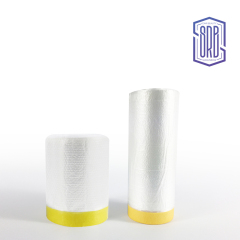
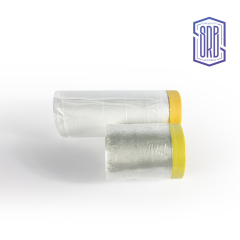
Both are made from polyethylene and PO material in the same piece size. This one is the lighter piece — roughly half the weight of the heavier grade — which makes it quicker to place on a panel and quicker to strip when the bay is turning cars over. The heavier grade is the one to take when a job needs more body in the film; for routine masking around polishing, coating and light spray work, the light piece is usually enough.
Which surfaces can the film be used on?
Paint, clear coat, glass, lamps, rubber seals and plastic trim. It is a car paint masking film rather than a tape, so it is laid over the area behind the work and held at the edges with tape where a gap needs sealing. On an unfamiliar trim material — matte plastic, a wrapped panel or a fresh repaint — test a small piece first and ask your sales contact for guidance.
Is it suitable for paint spray work?
Yes. The film is used as a paint spray masking film in booths, laid over glass, lamps and shut lines before primer, colour or clear coat goes on, with each piece overlapping the next so mist cannot creep between sheets. For heavy-build primer or unusually long spray sessions, check with your sales contact whether the heavier grade suits that process better.
What is the film made from, and which documents are available?
Polyethylene and PO material, white, with nothing else listed in the specification. Because it is a plastic masking film for cars rather than a paper mask, it does not shed fibres onto a panel that is about to be coated. Ask your sales contact which documents can be supplied for your market — a material or safety declaration, for example — and confirm the wording your importer needs before the order is packed.
Can it be used on freshly painted panels?
Leave fresh paint to cure first. This is a PO protective film car body panels are covered with once the finish has set, not while the paint is still releasing solvent, because a film laid over uncured paint can trap solvent and mark the surface. Confirm the cure window with your paint supplier, then mask as normal.
Do we still need masking tape with this film?
Yes, at the edges. Tape seals a shut line and gives a clean stopping point where the mask has to end, while the film covers the area behind it. A typical set-up is a tape line along the gap, film pressed over the panel, and a second tape strip over the film edge where the work comes close to it.